Medicinal Spices: Why You Should Include Them in Your Diet
Long considered merely flavor enhancers, spices now play a prominent role in nutritional recommendations. Used for millennia in traditional medicine in Asia, Africa, and the Middle East, they are exceptionally rich in bioactive compounds capable of supporting numerous bodily functions.
Turmeric, ginger, cinnamon, cloves, and cumin do more than just add flavor to dishes: they also help prevent certain diseases and contribute to overall well-being.
Incorporating medicinal spices into your daily diet is a simple way to enhance your meals while reaping their many health benefits.
Spices: True Sources of Antioxidants
Most spices are particularly rich in polyphenols, flavonoids, and other antioxidant molecules. These help neutralize free radicals, which are responsible for oxidative stress —a process that accelerates cellular aging.
When free radicals are produced in excess, they gradually damage cell membranes, proteins, and even DNA. This process is implicated in the development of many chronic diseases, including cardiovascular diseases, certain cancers, and neurodegenerative diseases.
Thanks to their exceptionally high concentration of antioxidants, spices naturally help protect cells against these daily stresses.
Turmeric: An Ally Against Inflammation
Of all spices, turmeric is undoubtedly one of the most extensively studied. Its main active ingredient, curcumin, has remarkable anti-inflammatory properties.
Research shows that curcumin acts on several biological pathways involved in chronic inflammation, which is now recognized as a factor contributing to diabetes, cardiovascular disease, osteoarthritis, and certain neurodegenerative diseases.
To improve its absorption, turmeric is best combined with black pepper, whose piperine significantly increases the bioavailability of curcumin. Adding a fat, such as olive oil, also promotes its absorption.
Ginger: A Boon for Digestion and Immunity
Ginger ginger has been used for centuries to relieve digestive problems. It naturally stimulates the production of gastric juices, aids digestion, and helps reduce nausea, bloating, and that heavy feeling after meals.
Its active compounds—gingerols and shogaols—also possess significant anti-inflammatory and antioxidant properties.
During the winter months, ginger is often consumed as a tea or added to hot dishes to support the body's natural defenses and provide a pleasant feeling of warmth.
Cinnamon: A Partner in Blood Sugar Balance
Cinnamon- is particularly prized for its comforting aroma, but its benefits go far beyond its flavor.
Some studies suggest that it may improve insulin sensitivity and help limit significant fluctuations in blood sugar levels after meals. This effect makes it a valuable spice as part of a balanced diet, particularly for people at risk of type 2 diabetes.
It also has antimicrobial properties that help maintain a healthy intestinal balance. For regular use, it is best to choose Ceylon cinnamon, which is naturally lower in coumarin than Chinese cinnamon.
Spices That Are Good for the Heart
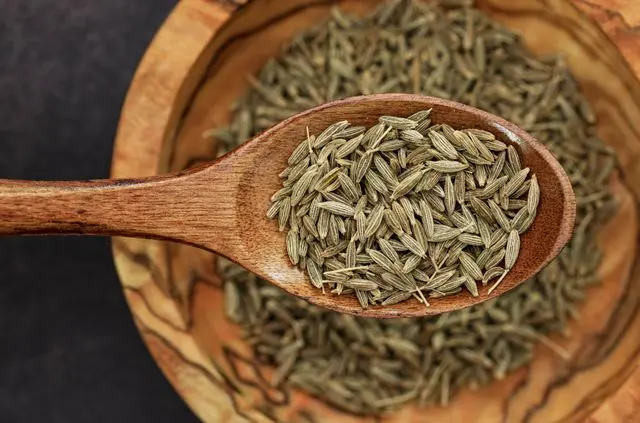
The cumin, cilantro, paprika, fenugreek, and saffron contain many compounds that are beneficial for cardiovascular health.
Their antioxidants limit the oxidation of LDL cholesterol, a key step in the formation of atherosclerotic plaques. Certain spices also help regulate blood pressure more effectively thanks to their effects on blood circulation.
Using them every day also helps naturally reduce the amount of salt added to food, which is an additional benefit for protecting the cardiovascular system.
Natural antimicrobial properties
Even before refrigerators were invented, spices were used for their ability to slow the growth of certain microorganisms.
The clove, oregano, thyme, cinnamon, and garlic contain compounds that can inhibit the growth of many bacteria and certain fungi.
While not intended to replace medical treatment when it is necessary, these properties help maintain the balance of the microbiome and strengthen the body's natural defenses.
A valuable aid to digestion
Spices naturally stimulate digestive functions. Cumin, fennel, cilantro, cardamom, and anise promote the secretion of digestive enzymes and help the stomach and intestines function more efficiently.
Regular consumption helps reduce intestinal fermentation, which is responsible for many digestive discomforts such as gas, bloating, or cramps.
In cooking, they also help make certain legumes easier to digest while enhancing their flavor.
How can you incorporate medicinal spices into your daily life?
One of the great advantages of spices is how easy they are to use. They are a natural fit for soups, vegetables, marinades, salad dressings, fish, meat, and vegetarian dishes.
Turmeric adds a pleasant kick to vegetable soup or homemade curry. Fresh ginger adds a fragrant touch to stir-fried vegetables and herbal teas.
Cinnamon enhances compotes, oatmeal, and certain savory squash dishes. Cumin and cilantro pair perfectly with chickpeas, lentils, and roasted vegetables.
Ideally, you should vary the spices you use to take advantage of the diversity of their active compounds rather than relying on just one.
Food that nourishes as much as it protects
Incorporating medicinal spices into your daily diet isn't just about enhancing the flavor of your meals. It's also about choosing a diet that's richer in protective compounds, capable of naturally supporting the body's overall balance.
While they aren’t miracle cures, they contribute to a preventive, varied, and delicious diet. When combined with fresh foods, regular physical activity, and a balanced lifestyle, they become true allies in maintaining good health, turning every meal into an opportunity to take care of your body while delighting your taste buds.