Vous êtes très nombreux à être incommodés par les inconforts digestifs et perturbations du transit, sans vraiment comprendre quelles en sont les causes. Très souvent, on recherche les causes seulement lorsque le problème prend de l’ampleur et qu’il devient nécessaire de consulter.
Si vous êtes concerné, n’attendez plus pour retrouver votre bien-être et agissez dès les premiers signes d’inconfort grâce à des solutions naturelles et des habitudes simples à mettre en place dans votre quotidien.
How does digestion work?
Digestion is a complex mechanism, involving many factors. It begins in the mouth and ends in the rectum. There are two types of digestion:
Mechanical digestion
Elle commence dans la bouche, d’où l’importance de mastiquer longuement. La bouche grâce aux dents et à la langue permet de réduire en bouillis les aliments. L’estomac, grâce à un mouvement de brassage, continue ce travail mécanique pour fractionner les aliments appelés à ce stade bols alimentaires.
Chemical digestion
Chemical digestion, on the other hand, takes place at different points in the digestive tract, via enzyme-rich digestive juices: saliva in the mouth contains an enzyme for digesting starch, hydrochloric acid secreted by the stomach for digesting proteins, digestive juices secreted by the pancreas for proteins, carbohydrates and lipids, and bile secreted by the liver for emulsifying fats.
It dissolves macronutrients into several small molecules, most of which are assimilated in the small intestine and a smaller proportion in the colon. After absorption in the small and large intestines, nutrients pass into the bloodstream and are transported to the liver, where they are processed before being distributed to the rest of the body for use or storage.
Zoom sur le transit intestinal
Le transit intestinal décrit le déplacement du bol alimentaire appelé alors chyme dans les intestins. Le chyme poursuit son chemin grâce au péristaltisme intestinal.
Le saviez-vous ? Le péristaltisme désigne l'ensemble des contractions involontaires musculaires de l’appareil digestif permettant le déplacement des aliments jusqu’au rectum.
Once all this work is done, the rest of the undigested food not used by the body turns into stool in the large intestine, also known as the colon. It is in the rectum that the stool accumulates, until it is evacuated.
Why do digestion and transit go wrong?
As you can see, intestinal transit is closely linked to digestion. If digestion is disrupted, there's a good chance that transit will be too. Many factors can disrupt digestion and intestinal transit:
- Poor food hygiene
- Alcohol consumption and smoking
- Food intolerances
- Le stress et l’anxiété.
- Genetic causes
- Candidiasis and/or dysbiosis (imbalance of intestinal microbiota)
- Liver weakness
- Ingestion of heavy metals, pesticides, chemical molecules, ...
- Ingesting too quickly, with insufficient mastication
What natural solutions can you adopt on a daily basis at the first signs of discomfort?
Rebalancing your diet
Il sera important d’écarter dans un premier temps tous les aliments industriels, raffinés, trop gras, trop sucrés et difficiles à digérer. Réduisez les aliments à base de gluten, de produits laitiers, de sodas, d’alcool, de café, de charcuteries, de viande, et voyez si cela vous procure une certaine légèreté digestive et un transit facilité.
Votre assiette doit être composée au maximum de produits nourrissants, bruts et frais.
Listen to your body
If certain foods systematically cause digestive discomfort, reduce their consumption or temporarily omit them from your meals.
It may also be a sign of food intolerance (gluten, lactose).
In this case, consult your doctor. Depending on your vitality and health, a mono-diet or fasting once a week can put the digestive system at rest to relieve it.

Good mealtime habits
Get into the habit of eating your meals in a quiet place, without screens or other distractions, and take the time to chew properly. Digestion begins in the mouth, thanks to the many enzymes present in saliva.
Good psycho-emotional management
This will be important if you're experiencing stress or other strong emotions that impact your digestion and transit on a daily basis. Practice relaxation activities or consult a qualified professional to help you manage these emotions.
Regular physical activity
A sedentary lifestyle is the enemy of digestion. Body movement helps empty the stomach, activate the diaphragm and promote intestinal peristalsis.
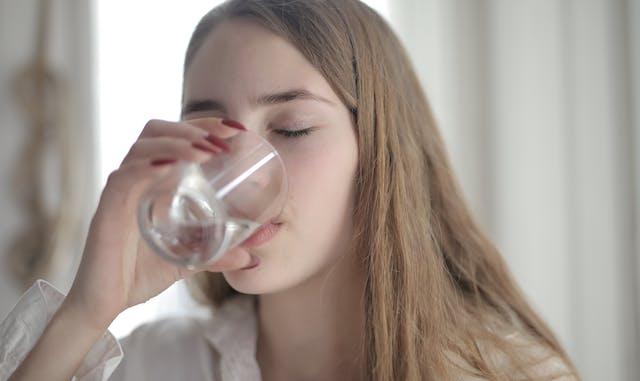
Good hydration
Water is essential to life and to the functioning of our organism. A lack of water can disrupt digestion, particularly intestinal peristalsis.
A source of warmth in case of discomfort
Heat aids digestion, as it promotes the production of bile, which emulsifies fats and lubricates stools. In the event of digestive discomfort or slow transit, don't hesitate to place a hot water bottle on your belly or take a hot bath.
A course of probiotics
To reseed the intestinal flora if necessary, particularly in the case of antibiotic treatment or, for example, as a complement to a program to combat candidiasis or dysbiosis.
Plants: invaluable aids for restoring digestive comfort and regular transit
There are many plants that offer digestive properties for occasional needs. These include :
- Le Pissenlit Ginseng: contributes to digestive and gastrointestinal comfort, thanks in particular to its beneficial prebiotic effects on intestinal flora. It helps balance the stomach's physiological pH and promotes liver and biliary function. It facilitates fat digestion and supports appetite in the event of loss of appetite.
- Le Fenouil Helps appetite, digestion, elimination and digestive tract health. As a plant extract in capsules or as an essential oil, 1 to 2 drops in a vegetable oil to massage into the stomach.
- La menthe poivrée Aids digestion, as an herbal tea, capsule or essential oil, massaged into the stomach.
- Garlic: helps maintain microbial balance in the intestine, either as a condiment in cooking or in capsules.
- Le Tilleul Traditionally used to aid digestion, particularly of fats. In herbal tea, capsules, ampoules or decoction (sapwood).
- Le Romarin Aids digestion, supports liver and biliary functions, helps digest fats. In herbal tea, ampoules or capsules.
- Vegetable charcoal Helps reduce excess flatulence after meals. In powder form in a glass of water or in capsules.