Eucalyptus radiata: The Essential Oil You Can’t Do Without When Cold Weather Returns
A runny nose, sneezing, a sore throat, a stuffy nose… With the return of cold weather and temperature changes, the ENT system is often put to the test. This is also the time of year when colds and other minor respiratory ailments are more prevalent.
Among the natural remedies traditionally used to improve breathing, eucalyptus radiata essential oil holds a special place. Rich in 1,8-cineole, it is particularly effective when the nose and respiratory tract are congested.
But what exactly are its benefits? How should eucalyptus radiata be used, and what precautions should be taken?
Eucalyptus radiata: What Are Its Properties?
Eucalyptus radiata belongs to the Myrtaceae family. Native to Australia, this tree with long green leaves yields, after distillation, an essential oil with a fresh, distinctive scent.
Its composition is notable for its high content of 1,8-cineole, also known as eucalyptol. This aromatic compound is found in several essential oils traditionally used to support respiratory health.
Eucalyptus radiata essential oil is therefore particularly popular when temperatures drop and the nose, throat, and respiratory tract become more sensitive.
Eucalyptus radiata and Breathing: Why Is It So Popular?
Eucalyptus radiata is best known for its respiratory benefits. It is traditionally used to help clear the airways and facilitate the removal of secretions.
It is known, in particular, for its expectorant, mucolytic, and anti-catarrhal properties. In other words, it helps thin secretions and facilitates their clearance when the airways are congested.
Its fresh scent also provides a pleasant sensation of easier breathing, which explains why it is one of the most widely used essential oils when cold weather returns.
Eucalyptus radiata and the Common Cold: How Should It Be Used?
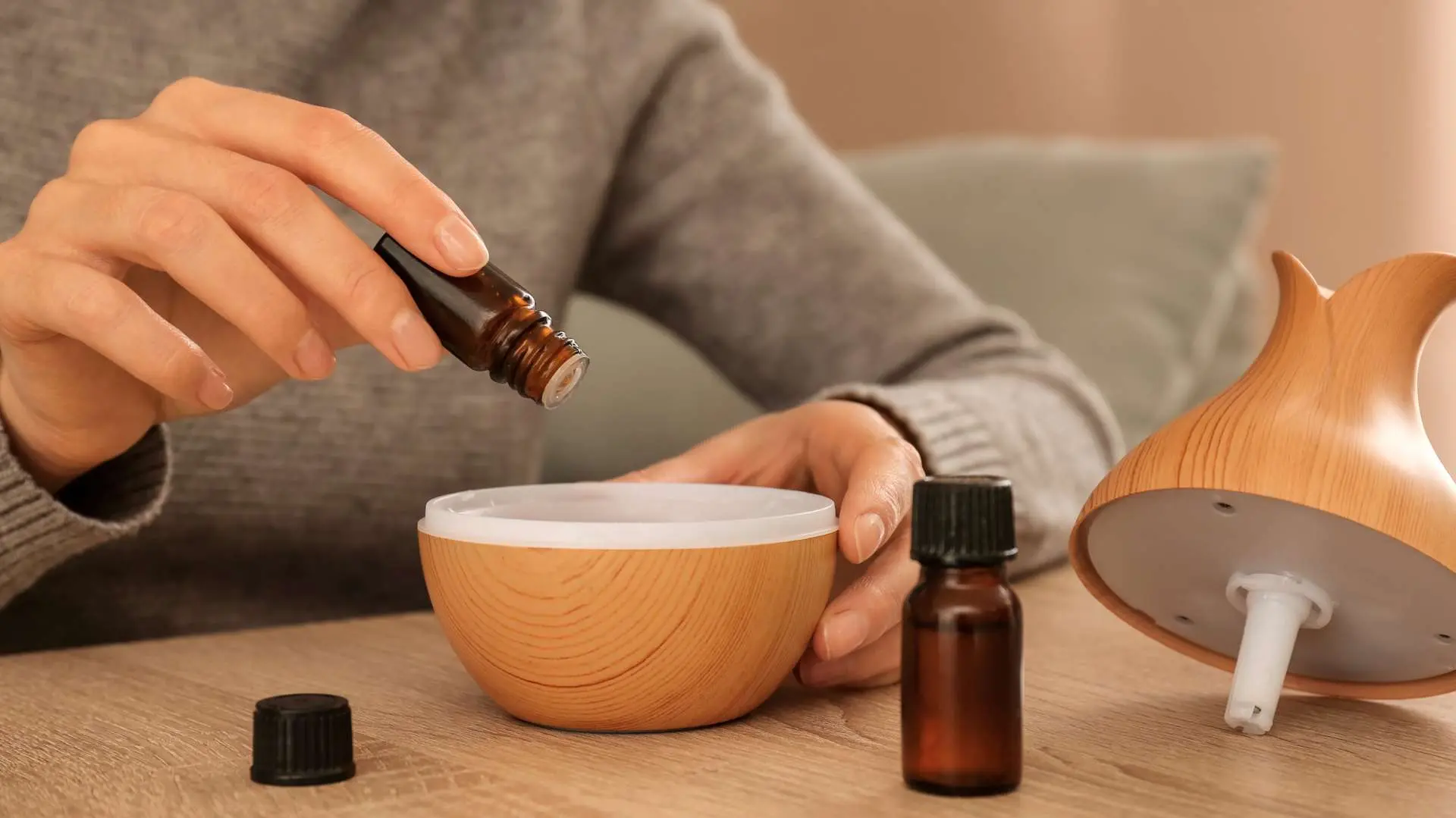
Stuffy nose, runny nose, difficulty breathing… Eucalyptus radiata can be used in various ways to treat a cold, depending on individual needs and circumstances.
For topical use
Eucalyptus radiata essential oil can be diluted in a vegetable oil before being applied through massage to the chest or upper back.
Dilution is important to minimize the risk of skin irritation. The dosage should be adjusted based on the user’s age, profile, and duration of use. It is therefore best to follow the product’s recommendations or seek advice from a professional.
Now Airing
With its fresh, aromatic scent, eucalyptus radiata is particularly well-suited for diffusion. It can be used on its own or blended with other essential oils to aid breathing.
Using a diffuser helps create a fresh and pleasant atmosphere in the home. However, it does not replace an essential step when temperatures drop: airing out the rooms daily, even for just a few minutes, to refresh the indoor air.
For inhalation
Inhalation is also a common method for using respiratory essential oils. However, it requires some precautions, as the aromatic vapors can irritate the eyes and respiratory tract in some people.
To avoid using an approximate dosage, it is best to follow the manufacturer's instructions or ask a pharmacist or a professional trained in aromatherapy for advice.
Eucalyptus radiata or Eucalyptus globulus: What's the difference?
There are several species of eucalyptus, and not all of them have exactly the same profile. Eucalyptus radiata and Eucalyptus globulus, in particular, contain 1,8-cineole, but their composition and uses differ.
Eucalyptus radiata is particularly associated with the ENT system and the upper respiratory tract. It is commonly used to relieve congestion in the nose and throat.
Eucalyptus globulus, on the other hand, has a more potent aromatic profile and is more closely associated with the bronchopulmonary system. Its instructions for use and precautions must be carefully followed.
This distinction highlights a key principle in aromatherapy: don’t rely solely on the name “eucalyptus.” The full botanical name allows you to precisely identify the essential oil and its properties.
Eucalyptus radiata, ravintsara, tea tree: Can they be used together?
Eucalyptus radiata isn't the only essential oil worth considering when the cold weather returns.
Ravintsara, which is also rich in 1,8-cineole, is traditionally used during times when the body is more susceptible to seasonal ailments. Tea tree, on the other hand, has a different profile and is particularly known for its antimicrobial properties.
These essential oils can be combined in various synergistic blends, but the mixtures should not be created at random. The concentrations, methods of use, and precautions specific to each oil must be taken into account.
For more information, check out our tips on essential oils to support the body's natural defenses.
What precautions should be taken when using eucalyptus radiata essential oil?
"Natural" does not mean "without caution." An essential oil is a concentrate of active aromatic molecules, and its use must always be tailored to the individual and the chosen method of administration.
Special caution is needed in young children, pregnant or breastfeeding women, and people with asthma or epilepsy.
Essential oil should not be applied undiluted to mucous membranes, inside the nose, in the ears, or near the eyes. If you have a medical condition, are undergoing medical treatment, or are simply unsure, consult your doctor or pharmacist before use.
Eucalyptus radiata: A Natural Go-To When Temperatures Drop
With its high concentration of 1,8-cineole and its instantly recognizable scent, eucalyptus radiata is one of the most iconic essential oils for respiratory health.
A stuffy nose, a feeling of restricted breathing, and minor discomforts associated with the return of cold weather: it can naturally support respiratory comfort when used in a diffuser, for inhalation, or diluted for topical application.
A must-have in aromatherapy to keep on hand when temperatures start to drop, while taking the necessary precautions when using it.