For your face: use plant-based oils!
Saviez-vous que les huiles végétales remplacent avantageusement les crèmes cosmétiques, tout en étant de compositions plus « propres », et moins onéreuses ? Alors, comment les choisir et les appliquer ?
Venez découvrir ces huiles très intéressantes, à choisir en fonction de vos besoins !
There is one small caveat, however:vegetable oils do not moisturize the skin per se—just like conventional cosmetics, for that matter—but their high content of complex fatty acids helps the skin retain moisture.
That’s why it’s ideal for daily use—just a few drops warmed between the palms of your hands are enough, after a spritz of floral water or a small amount of aloe vera gel.
Applying the product to skin that’s still damp also prevents pores from becoming clogged and helps restore fresh, supple, and radiant skin!
Which vegetable oils should you use to remove makeup from your face?
Si vous pratiquez le layering, méthode du soin de la peau des Japonaises en 7 étapes, vous savez sans doute que la première étape d’un démaquillage efficace est un nettoyage de votre visage avec une huile végétale.
En effet, ce sont les corps gras qui emmènent avec eux les impuretés et le maquillage. Pour ce faire, vous pouvez utiliser des huiles végétales un peu épaisses comme l’sweet almond, apricot pits, olives, or sesame seeds.
Which plant-based oils should you mix together to care for your face?
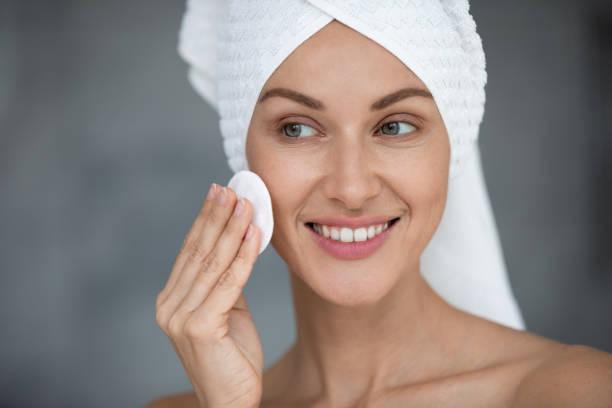
Apply a few drops to a konjac sponge or a damp cotton pad (or, for an even more eco-friendly option, your fingers!), and gently wipe several times to remove all traces of makeup.
Be careful, however, never to mix vegetable oils used for makeup removal with essential oils. You can follow this first step with a cleansing routine using a mild soap and a floral water of your choice to give your skin a radiant glow.
Which plant-based oils should you choose for combination to oily skin?
Combination skin (oily T-zone and dry cheeks) and oily skin tend to reject plant-based oils. But oily skin needs just as much moisture as dry skin!
• Jojoba oil
For this purpose, jojoba oil is the best choice. This “plant-based wax” is known for having a texture similar to human sebum, so it doesn’t cause shine and helps regulate sebum production over time.
It is also recommended for acne-prone skin. Vegetable oils do not contain UV filters, but pure jojoba oil can be used as a very light sunscreen. As with all the vegetable oils mentioned here, it’s best to choose an organic, first-cold-pressed variety.
• Hazelnut oil
Une autre huile végétale à conseiller aux peaux à tendance grasse est l’huile de noisette. En plus de son odeur délicieuse, elle contient des omégas 9, de la vitamine E et des phytostérols. Elle est légèrement assainissante et permet de resserrer les pores de la peau.
On peut aussi conseiller l’huile végétale de nigelle, le fameux "cumin noir» aux multiples vertus, pour ses propriétés anti-inflammatoires et luttant contre le vieillissement cellulaire, mais cette huile est plus chère.
How do you combine essential oils and carrier oils?
Vegetable oils can be blended harmoniously with essential oils to enhance their effects and address a specific concern. You can then make your own cosmetics, taking great care to ensure the hygiene of the ingredients used and the proper storage of the finished products.
General precautions regarding the topical use of essential oils: Do not use on pregnant women during the first trimester of pregnancy or on breastfeeding women.
To make a moisturizing serum for combination and oily skin, mix the following in a small 30-ml amber bottle:
- Jojoba oil.
- Hazelnut oil (about 2/3, 1/3) or black cumin oil.
- 2 drops oftrue lavender essential oil.
- 1 drop of carrot essential oil.
- 1 drop of niaouli essential oil.
- 1 goutte d'huile essentielle de géranium rosat.
Massage 4–5 drops of serum—warmed in the palms of your hands—into your entire cleansed face morning and night, after applying a small amount of aloe vera gel or a spritz of lavender floral water. This serum will keep for 6 months when stored away from light, air, and heat.

What plant-based oils should be used for dry skin?
Plant-based oils are invaluable allies for dry or even atopic skin. In addition to staying well-hydrated from the inside out (drinking water is essential for rehydrating your skin), certain oils with restorative, emollient, and soothing properties are ideal for treating dry skin.
• Borage oil
This is the case, for example, with borage oil, which is rich in omega-6. It is also effective in soothing eczema or psoriasis.
• Calendula oil
Calendula oil, rich in anti-inflammatory omega-9 and omega-6 fatty acids, can also be used to treat sunburn, chapped skin, and burns.
• Macadamia oil
Macadamia, wheat germ, avocado, and shea oils—for very dry skin—are also among the best oils for dry skin.
How do you make a hydrating facial serum?
To make a soothing, moisturizing serum for very dry and atopic skin, mix the following in a small 30-ml amber bottle:
- Borage vegetable oil.
- Calendula oil (about 2/3, 1/3) or avocado oil.
- 2 drops of Roman chamomile essential oil.
- 2 drops of ylang-ylang essential oil.
Massage 4–5 drops of serum—warmed in the palms of your hands—into your entire cleansed face morning and night, after applying a small amount of aloe vera gel or a spritz of chamomile floral water. This serum will keep for 6 months when stored away from light, air, and heat.
Which plant-based oils should you use on mature skin?
Since skin aging is inevitable and influenced by many factors other than age (diet, lifestyle, stress, sun exposure, etc.), there’s no need to spend a fortune on so-called anti-wrinkle creams, which ultimately do nothing more than moisturize the skin and superficially fill in the signs of aging.
Why not embrace simplicity—which doesn't mean inefficiency, far from it? Among vegetable oils, you'll find gems like the famous argan oil, rich in unsaturated fatty acids and vitamin E.
Rosehip oil is also wonderful—it’s rich in omega-9, omega-6, and omega-3 fatty acids and contains vitamin K. However, it’s quite expensive. Other oils, such as perilla, lupine, flaxseed, hemp, and camelina, are perfectly suited for mature skin!
How do you make a firming facial serum?
To make a moisturizing and firming serum for mature skin, mix the following in a small 30-ml amber bottle:
- Argan oil with rosehip oil (about 3/4 to 1/4).
- 3 drops of cistus ladanifer essential oil.
- 1 drop of rose geranium and 1 drop of Damask rose.
Massage 4–5 drops of serum—warmed in the palms of your hands—into your entire cleansed face, including the décolleté, morning and night, after applying a small amount of aloe vera gel or a spritz of rose floral water. This serum will keep for 6 months when stored away from light, air, and heat.
Which vegetable oil should you use around the eyes?
There is a vegetable oil that can be used to treat under-eye bags: calophyllum oil. Don’t be put off by its viscous texture, greenish color, and slightly rancid smell, because it’s very effective at reducing puffiness around the eyes thanks to its circulation-boosting properties.
One drop is enough; spread it along your index finger and gently apply it under the eye using back-and-forth motions, followed by light pressure from the outer corner of the eye toward the inner corner. It’s best to do this in the morning, as applying oil-based products to the eye area in the evening tends to cause puffiness.