Cook Fall Vegetables According to Traditional Chinese Medicine
As temperatures begin to drop, fall vegetables naturally find their way onto our plates. Squash, carrots, leeks, cabbage, sweet potatoes, beets, parsnips, and turnips add color, flavor, and plenty of nutrients. They also help us gradually shift our diet toward warmer, more comforting dishes.
Traditional Chinese Medicine (TCM) places great importance on adapting one’s diet to the seasons. In the fall, it recommends, in particular, favoring cooked and warm foods, while gradually limiting very cold meals and excessive amounts of raw vegetables.
What are the main fall vegetables?
Fall offers a wonderful variety of vegetables. Among the must-haves are squash, such as potimarron, pumpkin, and butternut squash, as well as carrots, leeks, turnips, parsnips, beets, cabbage, celeriac, and sweet potatoes.
These vegetables have different nutritional profiles. Some are particularly high in fiber, while others provide beta-carotene, potassium, vitamin C, or various antioxidants. Including a variety of colors on your plate is therefore a simple way to diversify your nutrient intake.
Squash, carrots, and sweet potatoes: the stars of fall
Squashes are especially great this time of year. Potimarron and butternut squash, in particular, are rich in carotenoids, fiber, and potassium. Their tender texture makes them easy to prepare as soup, purée, or simply roasted in the oven.
Carrots are also rich in beta-carotene, a precursor to vitamin A. Contrary to popular belief, cooking does not necessarily lead to a loss of nutrients. For some carotenoids, cooking can even increase their bioavailability.
With its naturally sweet flesh, the sweet potato is perfect for fall dishes. Whether roasted, mashed, or in a soup, it provides fiber and complex carbohydrates.
What cooking method should you choose to preserve the nutritional benefits of vegetables?
The way vegetables are cooked affects their nutritional value. Cooking them for too long or in a large amount of water can lead to the loss of certain water-soluble vitamins.
Gentle steaming is therefore a good option, especially for cabbage, carrots, or leeks. It minimizes contact with water and allows for relatively gentle cooking.
Baking is particularly well-suited for root vegetables and squash. Carrots, parsnips, beets, sweet potatoes, and butternut squash can all be roasted with a little oil and herbs.
Braising is also a great method. The vegetables cook gently, with very little liquid, which helps preserve their flavors and results in a tender texture.
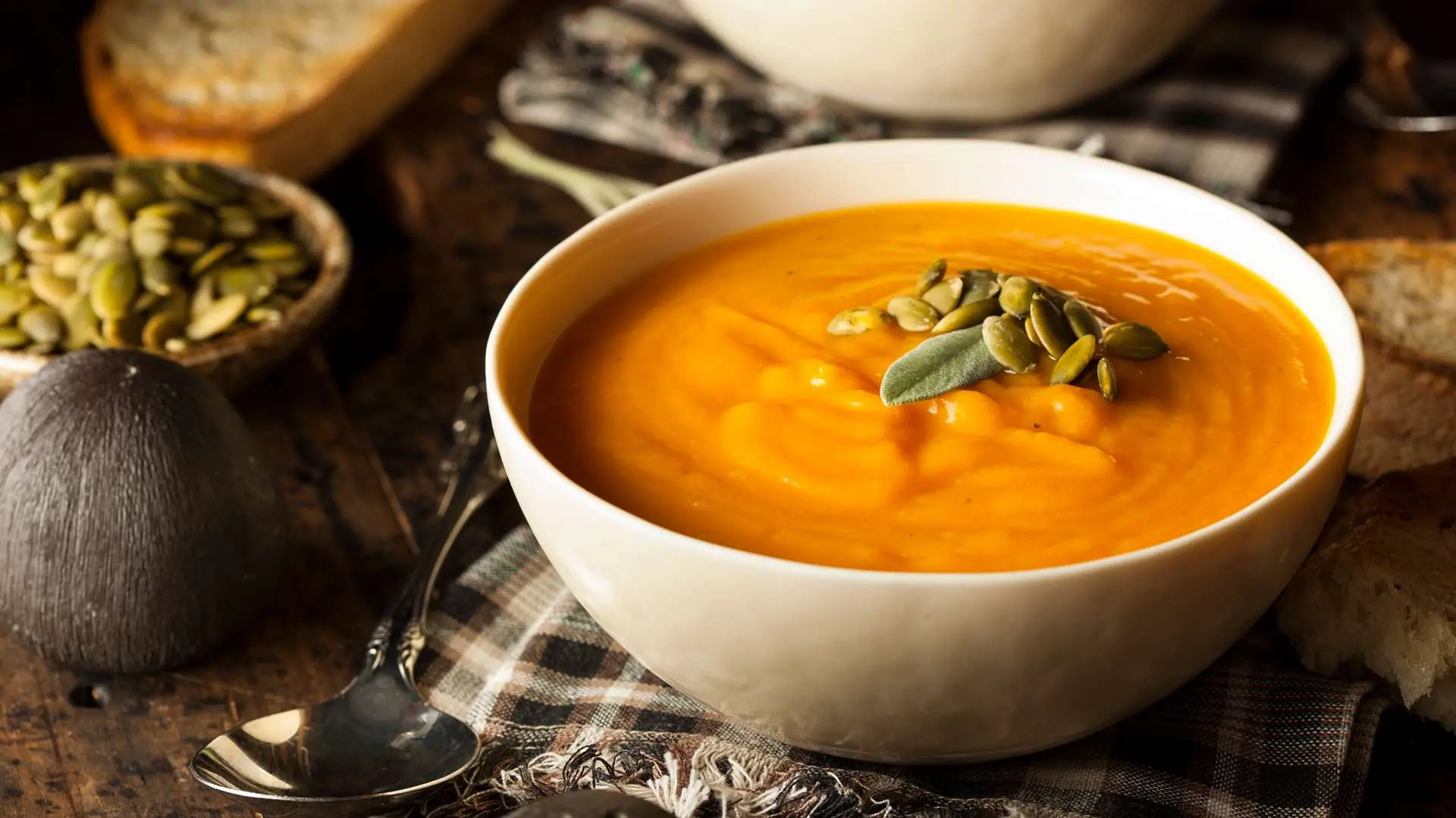
Finally, soups and cream soups are particularly well-suited for fall. Since the cooking liquid is consumed, the water-soluble nutrients that leach into it remain in the dish.
Why does TCM recommend eating warm foods in the fall?
In Traditional Chinese Medicine, fall corresponds to the “metal” element and is associated with the lungs and the large intestine. This season is also considered a period of transition, during which the body must gradually adapt to the cooling weather.
In this energy-based approach, fall is associated with dryness. Your diet can therefore be adjusted by focusing on cooked, warm dishes that provide sufficient hydration.
Soups, broths, slow-cooked vegetables, grains, and legumes are thus a natural fit for fall cooking.
Warming spices also have their place
Fall cuisine based on Traditional Chinese Medicine also makes good use of certain spices and herbs. Fresh ginger, cinnamon, and cumin can be used to flavor dishes and add warmth to them.
A creamy pumpkin soup with ginger, roasted carrots with cumin, or a pan-seared medley of root vegetables with spices are all simple ways to add variety to your meals.
The goal isn't to completely change your diet, but rather to follow the rhythm of the season. Raw vegetables can still be eaten according to your preferences and digestive tolerance, but hot dishes gradually take up more of a place in your meals.
Fall vegetables: an invitation to slow down
Fall is a great time to return to simple, homemade, comfort food. Seasonal vegetables make it easy to prepare complete and varied meals while enjoying a wide range of flavors.
Squash, carrots, leeks, cabbage, and root vegetables can be combined with whole grains, legumes, eggs, or a protein source to create balanced meals.
What if we simply took inspiration from the season? Eating more cooked foods, varying the vegetables we eat, opting for hot meals, and taking the time to cook are all good habits for a smooth transition into fall.
Autumn cooking isn't complicated at all: all it usually takes is a few fresh vegetables, gentle cooking, good spices, and a little time. Enjoy your meal!