Back Acne: How to Reduce It Naturally
Back acne is a common skin problem that affects both teenagers and adults. Although often less noticeable than facial acne, it is nonetheless a source of discomfort, self-consciousness, and sometimes even pain. Inflamed pimples, blackheads, small pustules, or deeper lesions can appear in this area, which is rich in sebaceous glands.
While conventional treatments have their place in certain situations, there are also many natural approaches that can help reduce back acne flare-ups and gradually restore healthier skin. Naturopathy focuses in particular on the body’s overall condition, diet, hormonal balance, and the proper functioning of the elimination organs.
Discover the most effective natural methods for relieving back acne.
Why Does Acne Appear on the Back?
Just like on the face, back acne is usually caused by excess sebum production combined with clogged pores. The bacteria naturally present on the skin then multiply and cause inflammation.
Several factors can contribute to this phenomenon: hormonal fluctuations, chronic stress, a diet high in refined sugars, certain occlusive cosmetics, or excessive sweating.
According to naturopathy, acne is also considered a sign of an internal imbalance. An overburdened liver, an imbalance in the gut microbiota, or poor elimination of metabolic waste can contribute toskin inflammation.
The Importance of Diet in Reducing Back Acne
The skin often reflects what is happening inside the body. Some foods promote inflammatory reactions, while others help to reduce them.
A diet rich in colorful vegetables, fresh fruit, healthy fats, and high-quality protein helps support the skin's natural repair mechanisms.
Conversely, excessive sugar, ultra-processed foods, soda, and certain processed foods can stimulate sebum production and worsen breakouts.
Foods rich in omega-3 such as sardines, mackerel, walnuts, and flaxseeds are particularly beneficial for their anti-inflammatory properties. They help maintain hormonal balance and support the health of cell membranes.
Essential Trace Minerals for Treating Acne
Among the micronutrients most extensively studied in relation to acne, zinc plays a key role. This trace element helps regulate sebum production, supports the immune system, and aids in skin healing.
Zinc deficiency is commonly seen in people withpersistent acne . Oysters, seafood, pumpkin seeds, and legumes are excellent dietary sources.
Selenium also deserves special attention. Thanks to its antioxidant properties, it helps protect skin cells from oxidative stress and reduces inflammation.
Copper, for its part, plays a role in tissue repair mechanisms and helps improve skin quality.
Essential Oils for Cleansing the Skin on Your Back
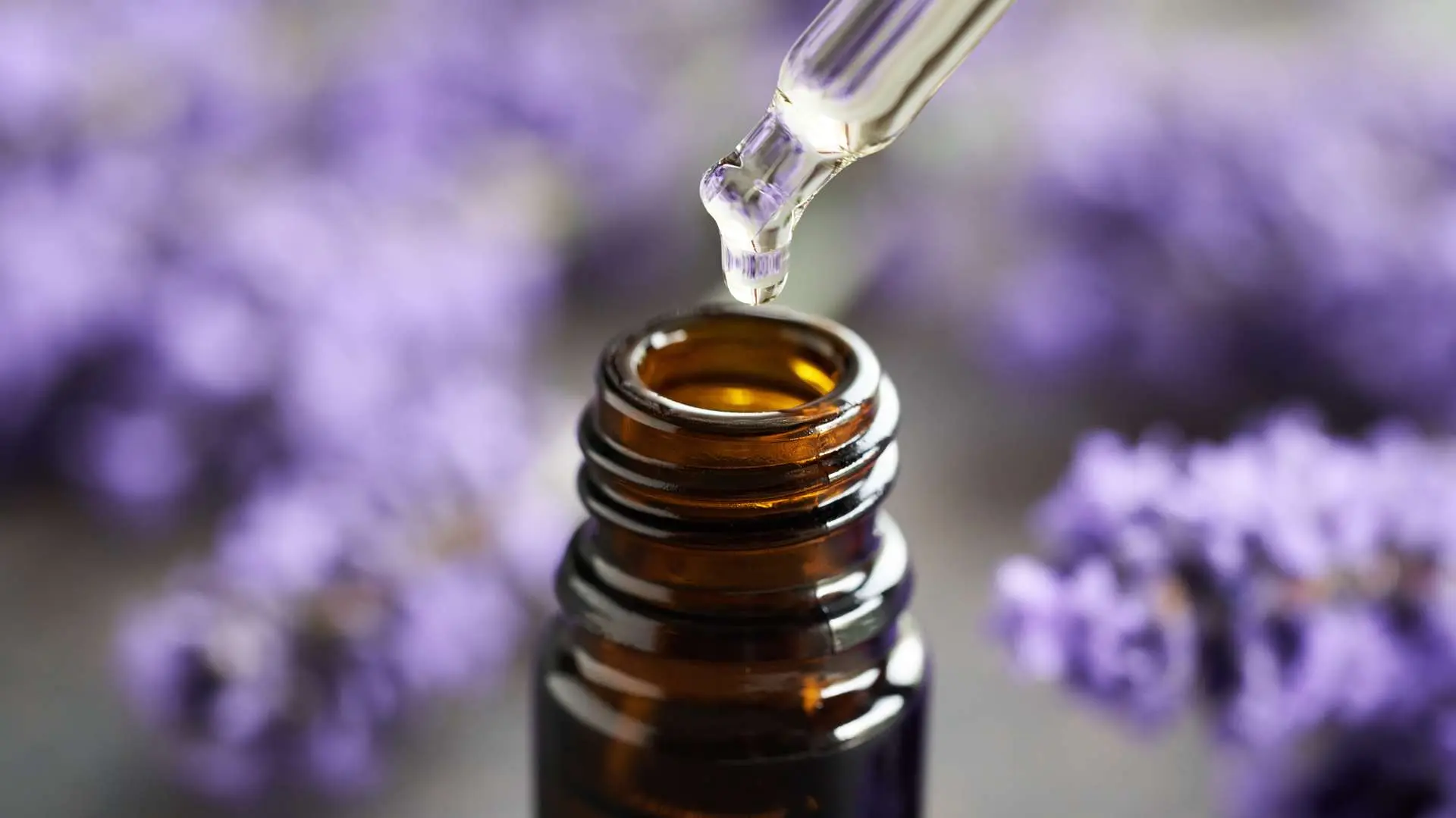
Some essential oils have antibacterial and purifying properties that are particularly beneficial for acne-prone skin.
Tea tree essential oil is probably the best known. Its purifying properties help limit the bacterial growth that causesinflammation in pimples. It can be applied topically, but should always be diluted in a suitable vegetable oil.
True lavender essential oil, for its part, offers a dual soothing and restorative effect. It helps calm redness and promotes skin regeneration.
Rose geranium essential oil rose geranium is also valued for its balancing effect on oily and blemish-prone skin.
Like all essential oils, their use requires certain precautions and should be avoided by certain groups, particularly pregnant women and young children, without professional advice.
The Best Plant-Based Oils for Back Acne
Contrary to popular belief, not all oils don’t cause breakouts ! Some are even particularly beneficial for acne-prone skin.
Jojoba oil has a composition similar to that of human sebum. It helps naturally regulate oil production while maintaining proper hydration.
Theblack cumin oil is also highly valued in naturopathy. Its purifying and anti-inflammatory properties make it a valuable ally in the fight against persistent skin blemishes.
Thehazelnut oil absorbs quickly without leaving a greasy film and is ideal for combination to oily skin.
These oils can be used on their own or as a carrier to dilute essential oils.
Naturopathy and Liver Support
In naturopathy, the liver is often considered a key factor in skin health. When it is under significant strain due to an unbalanced diet, stress, or certain excesses, the body may have a harder time eliminating certain toxins.
Plants such as the milk thistle, rosemary, and artichoke are traditionally used to support liver and digestive function. Staying well-hydrated every day also helps with the natural elimination of metabolic waste.
The goal is not to miraculously “detoxify” the body, but rather to optimize the physiological functions that help maintain healthy skin.
The Essential Role of the Gut Microbiome
Recent research highlights the close links between the gut and the skin. An imbalance in the gut microbiota can contribute to chronic inflammation, which may affect the skin.
Fermented fermented foods such as raw sauerkraut, kefir, or miso naturally provide beneficial microorganisms. The fiber found in vegetables, fruits, and legumes also feeds the good bacteria in the gut.
Taking care of your microbiome is often the same as taking care of your skin.
Restore Healthier Skin Naturally
Back acne isn’t solely determined by the skincare products you use. It often reflects a combination of factors, including diet, hormonal balance, stress management, and digestive health. A holistic approach combining nutrition, trace minerals, plant-based oils, and naturopathy often yields lasting results.
Patience is still essential, however. The skin renews itself slowly, and natural remedies take effect gradually. By adopting good daily habits, it’s possible toreduce inflammation, limit breakouts, and achieve clearer skin while respecting the body’s natural balance.