Is a cat's purring a natural remedy for stress?
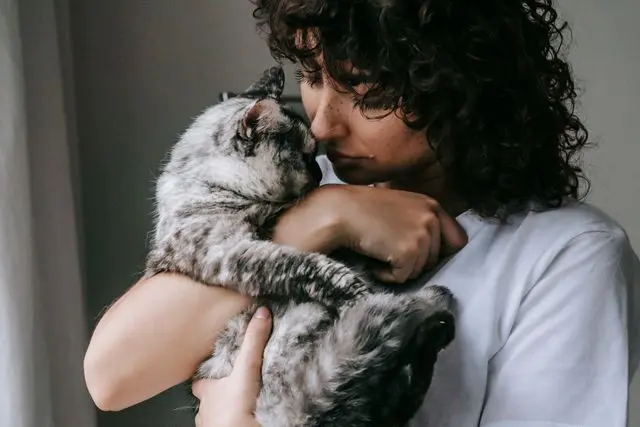
Spending a few minutes petting a purring cat often brings an immediate sense of calm. Many cat owners intuitively feel this: after a stressful day, their cat’s presence seems to help them unwind. This phenomenon even has a name: purr therapy.
Although this term is not a medical discipline, it refers to the beneficial effects that contact with a cat and the sound of its purring can have on our well-being.
For several years now, researchers have been studying the links between pets, stress, emotions, and health. While it is not a substitute for medical treatment, “purr therapy” is part of a holistic approach to well-being, in which the relationship with an animal helps restore a better sense of balance.
Why do cats purr?
Purring is a natural behavior in cats. Kittens begin to purr from their very first days of life to communicate with their mother.
As adults, cats usually purr when they feel relaxed, safe, or when they enjoy interacting with their human.
Even more surprising is that they can also purr when they are injured, stressed, or in pain. Experts believe this behavior may also help soothe them.
Purring typically ranges from 25 to 150 hertz, a frequency range that has intrigued researchers for several years because of its potential effects on biological tissues.
A stress-relieving effect
One of the main benefits attributed to purr therapy is stress reduction.
When we pet a cat, several mechanisms come into play. Physical contact promotes the release of oxytocin, sometimes called the “bonding hormone,” while heart rate and blood pressure tend to decrease. At the same time, levels of cortisol, the stress hormone, may also drop.
Simply focusing your attention on an animal, observing its breathing, and listening to its purring naturally encourages you to slow down. This moment of presence fosters a particularly accessible form of mindfulness.
A Great Boost to Morale
Pets play an important role in the emotional well-being of many people. Their presence provides a sense of comfort, alleviates loneliness, and encourages social interaction.
For people who are anxious or going through a difficult time, taking a few moments to spend time with their cat can help reduce feelings of tension and restore a sense of calm.
Of course, purr therapy is no substitute for psychological counseling when it is needed. However, it can serve as a complementary form of support as part of a comprehensive approach to well-being.
Does purring help with recovery?
Some research suggests that the frequencies produced by purring may have beneficial effects on the body.
Frequencies ranging from 25 to 50 hertz have long been studied for their effect on bone healing, while slightly higher frequencies appear to promote muscle recovery in certain experimental models.
These observations have led some researchers to wonder about the possible role of purring in cats' remarkable ability to recover.
To date, no study has conclusively shown that purring directly accelerates healing in humans. However, it is entirely plausible that the state of relaxation it induces indirectly promotes natural recovery mechanisms by reducing chronic stress.
Purr Therapy and Sleep
Many people say they find it easier to fall asleep when a cat is sleeping nearby and purring softly.
This steady sound acts a bit like white noise. It masks certain outside sounds and creates a soothing atmosphere that promotes relaxation.
Again, the effects vary from person to person. However, some people prefer to keep their cats out of their bedrooms so they won't be woken up during the night. The key is to find a balance that promotes truly restful sleep.
Incorporating purr therapy into a natural approach to well-being
Purr therapy reminds us of a simple truth that is often overlooked: our health also depends on our environment, our emotions, and the moments of calm we allow ourselves.
Taking a few minutes each day to pet your cat, slow down your breathing, and enjoy its company can become a true relaxation ritual.
When combined with a balanced diet, regular physical activity, quality sleep, and—if needed—certain herbs or natural supplements that promote relaxation, this habit fits perfectly into a natural health approach.
The Soothing Power of the Bond with Animals
Beyond the purring itself, it is undoubtedly the quality of the relationship between humans and their pets that accounts for much of the observed benefits.
Caring for a cat, sharing moments of closeness, and receiving its affection promote emotional well-being. In a daily life often marked by stress, constant demands, and screen time, these simple moments invite us to slow down and reconnect with the present moment.
Purr therapy does not claim to cure illnesses. However, it reminds us that some sources of well-being are sometimes right at our fingertips. The gentle purring of a cat, combined with a holistic approach to health, can become a valuable ally in helping us find a little more peace of mind in our daily lives.