Lymphatic Drainage: Benefits, Techniques, and Practical Tips
Between lymphatic drainage videos racking up millions of views on social media, the famous dry massage brushes popping up in bathrooms everywhere , and the treatments offered at wellness centers, it’s hard to miss this trend.
But beyond the fad, lymphatic drainage is based on a very real mechanism: supporting the circulation of lymph, a fluid essential to the body's proper functioning.
Although often associated with weight loss or the fight against cellulite, lymphatic drainage actually offers much broader benefits. A sensation of heavy legs, water retention, temporary swelling, or the need to regain a feeling of lightness—various techniques can help naturally stimulate lymphatic circulation and improve your daily well-being.
The Lymphatic System: A Discreet but Essential Network
We often talk about blood circulation, but much less about the lymphatic system. Yet this vast network of vessels and nodes plays a fundamental role in the body.
Lymph circulates throughout the body to transport certain proteins, immune cells, and various waste products from cellular metabolism. It also helps transport fats absorbed by the intestine and contributes to the proper functioning of the body’s natural defenses.
Unlike blood, lymph does not benefit from a pump as powerful as the heart. Its circulation depends primarily on body movements, breathing, and muscle contractions.
That is why a lack of physical activity, long periods of sitting or standing, heat, or certain hormonal fluctuations can sometimes contribute to a feeling of fluid retention.
Have you ever noticed swollen ankles after a long car ride or a particularly hot day? This sensation is often caused by a slowdown in fluid circulation in the tissues.
The Benefits of Lymphatic Drainage
Lymphatic drainage encompasses various techniques designed to promote lymph circulation. When performed properly, it can provide several benefits that are appreciated in everyday life.
The first is undoubtedly the feeling of lightness it provides. Many people use it when they experience heavy legs, temporary swelling, or more pronounced water retention.
Certain drainage techniques can also help reduce the feeling of congestion in certain areas of the body, particularly after a period of inactivity, during hot weather, or at certain times of the menstrual cycle.
Lymphatic drainage is also valued for its relaxing effect. The slow, repetitive movements used during the massages often promote a true sense of physical and mental relaxation.
From an aesthetic standpoint, it can help reduce the puffiness in certain areas of the body and temporarily improve the appearance of the skin when water retention is the cause.
However, it is important to remember that lymphatic drainage does not eliminate fat and is not a miracle solution for weight loss. Its primary effect is on the circulation of fluids in the body.
Manual Lymphatic Drainage: The Gold Standard Technique
Manual lymphatic drainage remains the best-known method today. Performed by a trained practitioner, it involves gentle, slow, and rhythmic movements that follow the natural flow of lymph.
Unlike traditional muscle massages, the pressure applied is very light. The goal is not to work the muscles deeply but to support lymphatic circulation.
This approach is particularly popular among people who are looking for both a feeling of lightness and a moment of deep relaxation.
Pressotherapy: A Modern Alternative
Pressotherapy uses boots or sleeves connected to a compression device. The various chambers inflate one after another to apply gradual pressure to the limbs.
This technique is frequently used by people who experience heavy legs, as well as by some athletes after exercise. It mechanically replicates a drainage effect and can complement a healthy lifestyle.
Dry brushing: the wellness ritual that’s gaining more and more popularity
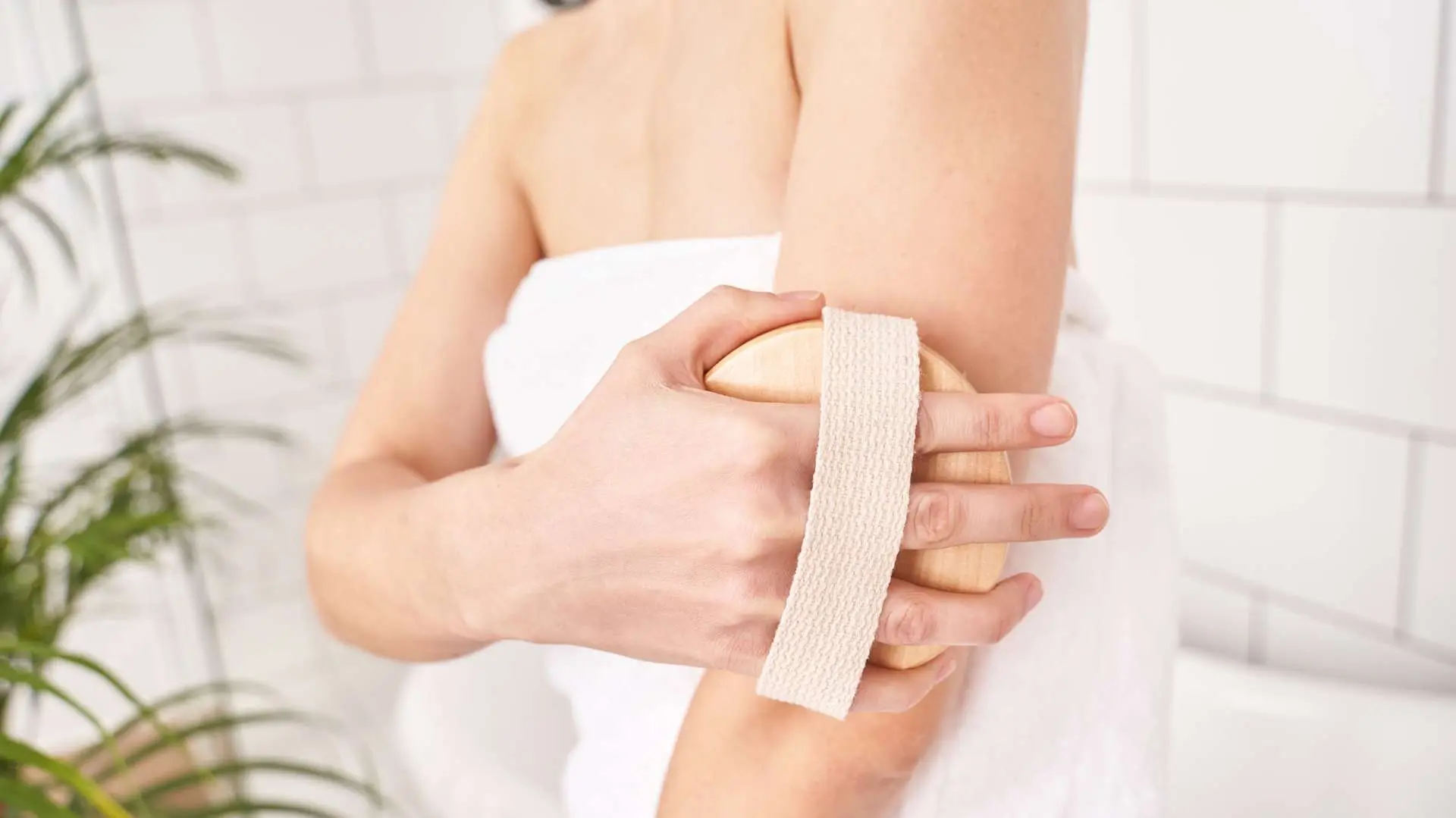
It’s impossible to discuss lymphatic drainage without mentioning dry brushing. This practice has been very popular for several years and fits easily into a natural wellness routine.
The principle is simple: brush your dry skin with a natural-bristle brush before showering. Always brush in an upward motion toward the heart to support fluid circulation.
Fans of this technique particularly appreciate the invigorating sensation it provides. Dry brushing mechanically stimulates the skin, promotes local microcirculation, and has an gentle exfoliating effect that leaves the skin smoother with each use.
To maximize the benefits of dry brushing, it is generally recommended to start by gently stimulating the main areas where lymph nodes are concentrated.
These nodes act as filters in the lymphatic system and are located primarily in the neck, along the collarbones, in the armpits, and in the groin. A few very gentle circular strokes on these areas help stimulate lymph flow before brushing.
- Next, start at the soles of your feet and work your way up toward your ankles.
- Gradually work your way up the calves and then the thighs, always directing your movements toward the groin.
- Continue with your hands, forearms, and arms, working your way up toward your armpits.
- When massaging your abdomen, use gentle, clockwise circular motions to follow the natural path of the colon.
- For the back, whenever possible, use upward strokes toward the armpits or the base of the neck.
- Finally, finish by working on the upper chest, using strokes directed toward the collarbones, where the lymph joins the bloodstream.
Brushing should remain a pleasant experience and should never cause pain or irritation. Two to five minutes is enough to incorporate this ritual into your daily wellness routine or several times a week.
Like any practice, dry brushing requires some precautions. It is best to avoid irritated areas, skin lesions, or particularly sensitive skin.
Lymphatic Drainage at Home: Accessories to Help You Along the Way
Today, there are many accessories that make it easy to incorporate lymphatic drainage into a wellness routine.
The dry massage brush remains the most popular tool thanks to its ease of use. It can be used a few times a week before showering to stimulate circulation and improve the appearance of the skin.
Massage rollers and certain accessories inspired by traditional massage are also popular for relaxing the tissues and promoting a feeling of lightness.
Vegetable oils can also enhance self-massage. Certain oils traditionally used in body care, such as calophyllum oil, are particularly popular for leg massages.
Finally, certain plants can complement this comprehensive approach by naturally supporting the body's elimination processes.
Plants traditionally used to promote a feeling of lightness
In the world of natural wellness, several plants are traditionally associated with promoting healthy circulation and supporting the body's elimination processes.
The red vine is undoubtedly one of the best known. It is frequently used to help relieve leg discomfort. Witch hazel and horse chestnut are also popular in programs designed to support venous circulation.
As for plants that promotethe elimination of waterthrough the kidneys , birch, hawkweed, and even the meadowsweet are among the most commonly used options.
These plants can be consumed in various forms, depending on personal preference: herbal teas, liquid extracts, or dietary supplements.
Everyday activities that naturally stimulate lymphatic circulation
Even the best drainage techniques are no substitute for habits that naturally promote lymphatic circulation.
A daily walk is probably still one of the most effective ways to support this system. With every step, the leg muscles act as a natural pump. Water activities, cycling, and gentle exercise are also excellent ways to support it.
Staying well-hydrated is also important. Drinking enough fluids throughout the day helps ensure that the body's physiological processes function properly.
Finally, a diet rich in fruits, vegetables, herbs, and minimally processed foods fits perfectly into a holistic approach aimed at regaining a sense of lightness.
A Holistic Approach to Well-Being
Lymphatic drainage is not just a massage session or the use of a brush. It is part of a broader approach that combines exercise, hydration, a balanced diet, and wellness practices.
Whether it's manual drainage, pressotherapy, dry brushing, or self-massage, these practices can help provide a pleasant feeling of lightness when incorporated into a regular routine.
The most important thing, however, is to stay active every day. Because when it comes to naturally supporting lymphatic circulation, movement remains your number one ally.