Vitamin C: How Can You Boost Your Natural Defenses in the Fall?
With the arrival of fall, our bodies must adapt to changes in temperature, reduced daylight, and the return of seasonal illnesses. This is a time when it’s especially important to ensure an adequate intake of vitamin C, a nutrient essential for the proper functioning of the immune system.
Also known as ascorbic acid, vitamin C plays several roles in our bodies. It supports the normal functioning of the immune system and has powerful antioxidant properties that protect cells from oxidative stress. It also helps reduce fatigue, which is especially helpful as the days get shorter.
Good news: Nature provides us with plenty of fruits and vegetables rich in vitamin C at this time of year. They’re a great way to naturally support our bodies and prepare for the coming winter.
Foods to prioritize include, in particular:
- Blackcurrants and fresh parsley: about 180 to 200 mg of vitamin C per 100 g. Freshly chopped parsley is particularly beneficial, even though it is usually eaten in small amounts.
- Raw red bell peppers: about 120 to 150 mg per 100 g. They are among the vegetables richest in vitamin C.
- Raw green bell pepper: about 80 to 100 mg per 100 g.
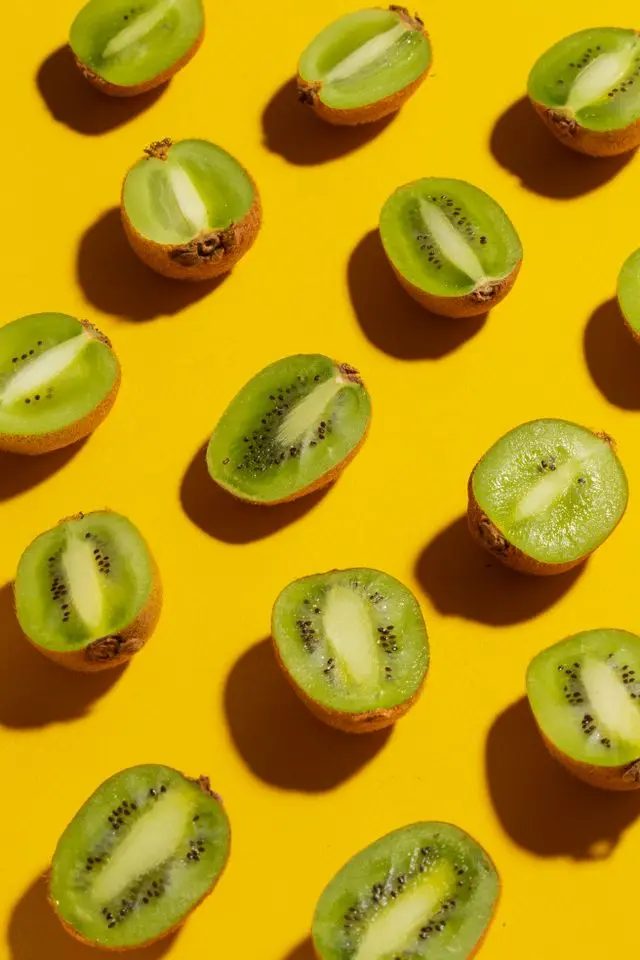
- Kiwi: about 70 to 90 mg per 100 g, depending on the variety.
- Cabbage and broccoli: about 40 to 100 mg per 100 g, depending on the variety. Cauliflower, red cabbage, Brussels sprouts, and broccoli are particularly good choices in the fall. Whenever possible, eat them raw or gently steam them to preserve vitamin C, which is sensitive to heat.
- Oranges: about 50 mg per 100 g. A fruit that’s easy to include in breakfast or eat as a snack.
Certain organ meats, particularly liver, also provide vitamin C, although fruits and vegetables remain the primary dietary sources.
What are the recommended dosages?
Vitamin C requirements vary depending on age, physiological condition, and certain lifestyle habits. In France, ANSES sets the dietary reference value for adults at 110 mg per day. These requirements may be higher in certain situations, particularly for smokers, pregnant women, or breastfeeding women.
A varied, plant-based diet generally provides sufficient amounts of these nutrients. However, there may be times when supplementation is worth considering, particularly when the diet is unbalanced or when nutritional needs are increased.
Since vitamin C is water-soluble, the body excretes some of the excess amounts in the urine. However, this does not mean that an overdose is impossible. In high doses, it can cause digestive problems, including diarrhea and abdominal pain.
Some supplements provide 1 to 2 g of vitamin C per day, particularly as part of a nutritional support regimen. These amounts far exceed the usual daily requirements and may not be suitable for everyone. They should be tailored to each individual’s situation, in consultation with a healthcare professional.
Liposomal vitamin C is an attractive option for people who wish to take supplements. Its unique formulation is designed to promote the absorption of vitamin C and optimize its availability in the body.
What type of vitamin C should you choose?
Not all vitamin C products available on the market are created equal when it comes to their formulation. Effervescent tablets, chewable tablets, capsules, powders, or liposomal solutions: there are many different forms, and their composition warrants careful consideration.
Some chewable tablets contain significant amounts of added sugars, flavorings, or other excipients. It is therefore essential to read the labels rather than relying solely on the amount of vitamin C listed on the packaging.
For example, some preparations may have a composition such as this:
Glucose syrup: 46.1% – Sugar: 24.8% – Water: 19.2%
Given their high sugar content, these products are not necessarily the best choice for daily supplementation.
It is also important to distinguish between synthetic vitamin C and more complex formulations.
From a chemical standpoint, ascorbic acid is identical regardless of its source. However, the overall quality of the supplement, its other ingredients, and its dosage form can make a difference.
Among the available options, liposomal vitamin C is of particular interest. This technology involves combining vitamin C with lipid structures, called liposomes, which can help improve its absorption in the digestive tract.
This formulation is therefore designed to enhance the bioavailability of vitamin C—in other words, the proportion that is actually available to the body after ingestion.
Liposomal vitamin C is part of this approach, with a formulation designed to optimize vitamin C intake.
Making the right choices when it comes to dietary supplements is essential. While a balanced diet remains the primary source of vitamins and minerals, high-quality supplements can provide additional nutritional support, particularly when dietary intake is insufficient or when nutritional needs are increased.
Finally, certain situations require special attention: smoking, pregnancy, breastfeeding, or certain dietary restrictions can affect your vitamin C needs. If you have any questions, a healthcare professional can help you determine the most appropriate intake levels.