Facial Care: Steps to Follow
Cleanse, remove makeup, moisturize, and nourish—your face deserves the best care. Your facial skin is exposed to all kinds of impurities throughout the day: pollution, dust, sweat, makeup... That’s why it’s important to take care of it every day with the right products.
Discover the different steps to achieving a radiant complexion.
Removing Makeup
In the evening, before cleansing, makeup removal helps gently and thoroughly remove any remaining makeup from your face. This step should not be overlooked, especially since many cosmetics are waterproof and therefore resistant to water.
For a natural option, you can easily remove makeup using vegetable oils such as coconut oil, sweet almond oil, apricot oil, or jojoba oil. The natural oils make it easier to remove makeup while nourishing the skin.
For an improved version, there are organic makeup removers environmentally friendly and safe.
Even people who don't wear makeup can benefit from pre-cleansing with vegetable oil to remove traces of pollution or dust—even those that are invisible.
The lotion
The lotion is a water-based pre-treatment that is applied between makeup removal and cleansing. It helps remove makeup remover and restore the skin's pH balance.
Pre-treatment products come in various forms:
- The mist that evaporates.
- A liquid lotion to be applied with a cotton pad.
- The gel you apply with your fingers.
The flower waters can also make excellent lotions: rosemary for acne, chamomile for eczema, rose for mature skin, cornflower to reduce puffiness under the eyes...
Cleaning
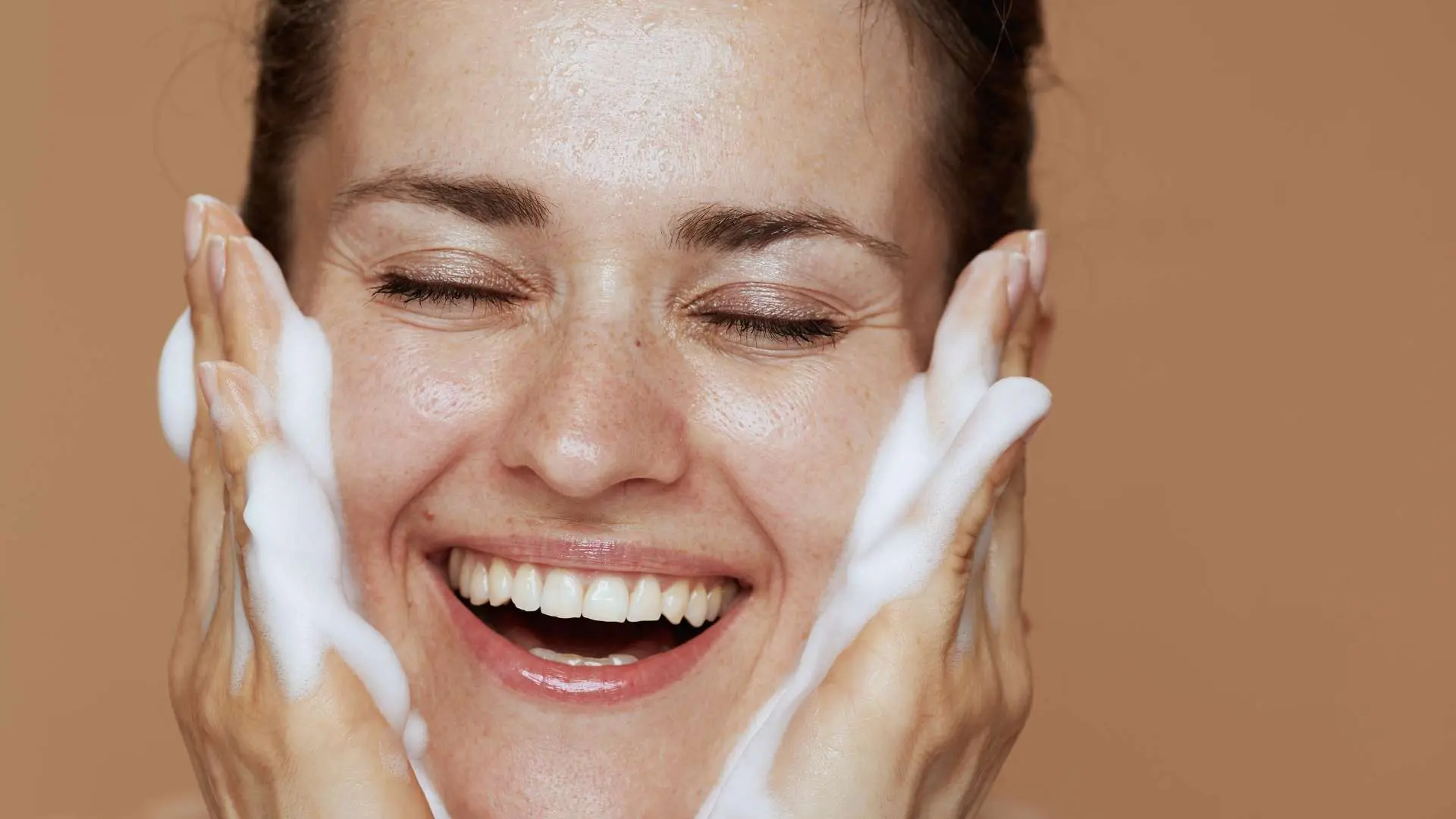
Cleansing is the third step. Morning and night, a facial cleanser complements the effect of the makeup remover. It helps complete the cleansing process without irritating the skin or altering its pH balance. To this end, organic cleansers are available to care for your skin based on its type: dry, combination, oily, mature, atopic, and more.
The different facial cleansers to choose from based on your skin type and personal preference:
- Gentle cleansers —such as foam, foaming cream, and cleansing milk—are extremely gentle on the skin. They are primarily designed for use on fragile, sensitive, and reactive skin.
- Non-foaming cleanser: superfatted soap... This type of cleanser does not contain sulfates, which are foaming agents. As a result, these products are recommended for so-called "problem" skin.
- Cleansing gel: This formula has the advantage of being suitable for all skin types.
Hydration
After cleansing comes moisturizing. Day cream and night cream protect the skin from external aggressors (UV rays, wind, cold, pollution, dust, etc.) and promote tissue regeneration.
A day cream is a moisturizer that acts as a shield for the skin. It protects and nourishes the skin with its active ingredients. A day cream can therefore help fight wrinkles, acne, dark spots, dryness, and more...
Day cream can also be used as a makeup base. Sometimes it is tinted to give a sun-kissed, even complexion, and other times it can serve as sunscreen.
Night cream is richer than day cream. It contains regenerating and nourishing active ingredients because skin tissue regenerates at night.
Serum: Gold for Your Face
The serum is a concentrate of active ingredients. It’s a luxurious treatment for your skin. Apply it with your moisturizer to complete your beauty routine. The serum is packed with benefits: just a few drops are enough to enhance your skin’s beauty.
Know Your Skin Type to Choose the Right Products
To choose the right cream with active ingredients suited to your skin, it is therefore essential to know whether your skin is more of a:
- Oily: It has a shiny appearance and is prone to pimples and blackheads.
- Dry: Dryness isn't necessarily visible, but you can feel it as tightness and a sensation that your skin is about to crack due to a lack of suppleness.
- Combination: Combination skin is oily in the T-zone (forehead, nose, and chin) and dry on the cheekbones, temples, and cheeks.
- Sensitive: Oily, combination, or dry skin can also be sensitive. This is evident from sensations of redness or a burning sensation on the skin.