How can you safely use essential oils in a diffuser?
The use of essential oils in a diffuser is attracting more and more people seeking natural well-being. A few drops of lavender to promote relaxation, lemon to freshen the air, or ravintsara during the winter: aromatherapy through diffusion has become a staple in many homes.
However, natural does not mean safe. Essential oils are powerful concentrates of active aromatic molecules.
Improper use can cause respiratory tract irritation, allergic reactions, or adverse effects in sensitive individuals. French health authorities regularly remind the public of the importance of taking certain precautions when using these products.
Here are the 5 essential rules you need to know to fully enjoy the benefits of essential oils while protecting your health and that of those around you.
1. Choose a suitable diffuser
The first rule is to use a device designed specifically for diffusing essential oils.
Not all systems are created equal. Ultrasonic, nebulizing, or gentle-ventilation diffusers provide cold diffusion that preserves the properties of essential oils.
Conversely, devices that overheat the oils can alter their aromatic compounds and reduce their quality. Official recommendations, in fact, advise against heating or burning essential oils for diffusion.
The choice of diffuser also depends on the size of the room. A small bedroom does not require the same power as a 40 m² living room. A unit that is too powerful may saturate the air in the room and cause breathing difficulties.
For everyday use, ultrasonic diffusers often offer an excellent balance of effectiveness, ease of use, and safety.
2. Adhere to broadcast schedules
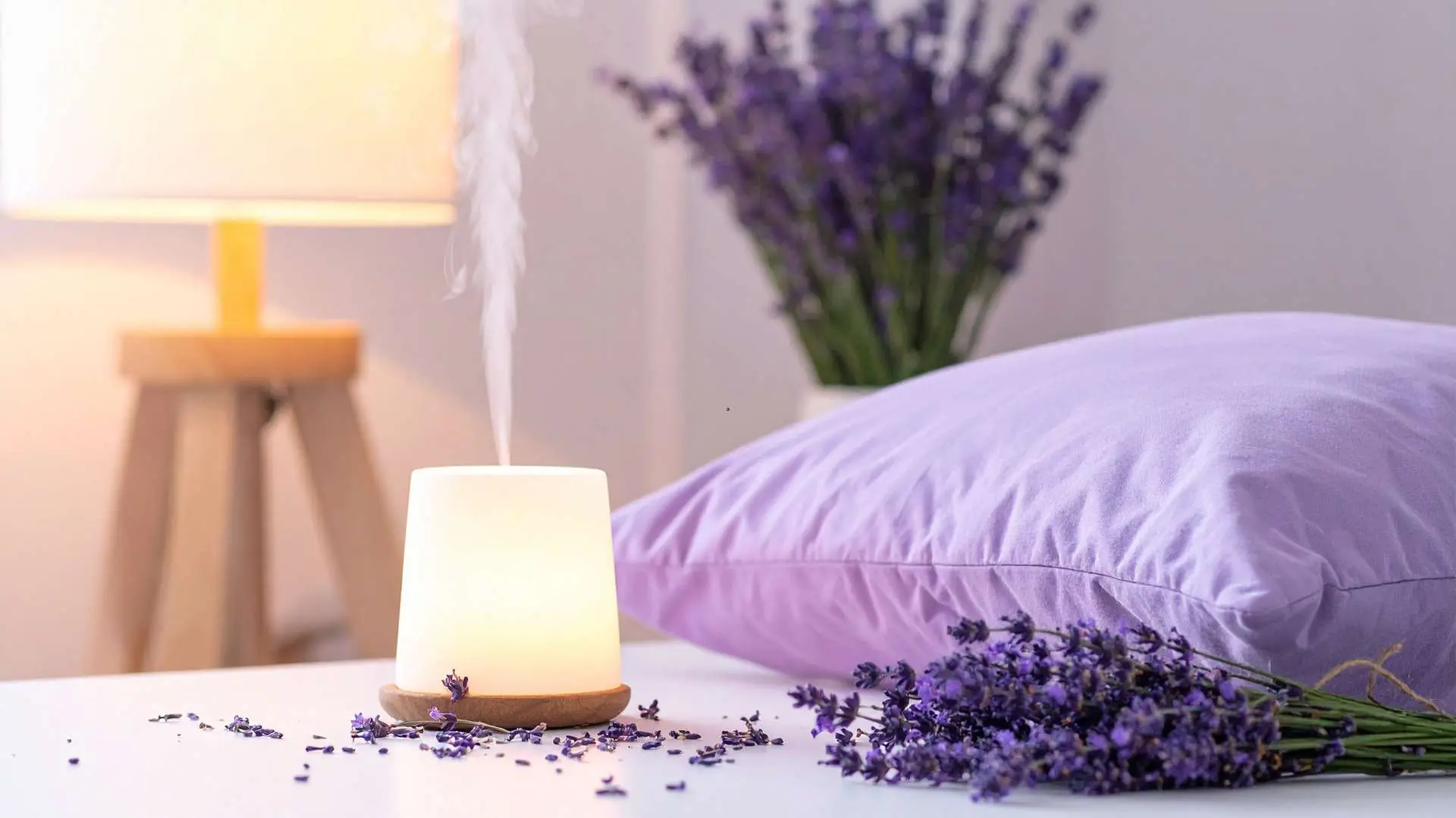
One of the most common mistakes is leaving a diffuser running for several hours straight.
Contrary to popular belief, diffusing more does not provide any additional benefits. On the contrary, prolonged exposure can cause irritation of the eyes, nose, throat, or respiratory tract.
Several reports logged by poison control centers specifically involve this type of excessive exposure. Aromatherapy specialists generally recommend short sessions, lasting 10 to 15 minutes, which may be repeated several times a day as needed.
Intermittent diffusion allows the body to benefit from the aromatic molecules without saturating the indoor air. This is particularly important in poorly ventilated rooms.
3. Ventilate the room regularly
Even when they are natural, essential oils release volatile organic compounds (VOCs) into the air. Some molecules may have irritant or sensitizing properties, especially when they accumulate in an enclosed space.
For this reason, it is recommended to ventilate rooms where essential oils are diffused on a daily basis.
Opening the windows for just a few minutes is often enough to refresh the indoor air and prevent excessive concentrations of aromatic substances.
This simple habit not only improves air quality, but also helps reduce overall exposure to indoor pollutants.
Effective air circulation is always accompanied by good ventilation.
4. Be mindful of vulnerable individuals
Not all essential oils are suitable for everyone.
Pregnant or breastfeeding women, young children, the elderly, and people with asthma, allergies, or chronic respiratory diseases should exercise particular caution.
Health authorities emphasize that certain essential oils can cause irritation or aggravate preexisting respiratory conditions.
In general, it is best to avoid broadcasting in the direct presence of infants and young children.
If you live with someone who is sensitive, opt for short diffusion sessions in a well-ventilated room, and choose oils known to be mild, such as true lavender or sweet orange, after reviewing their usage precautions.
If in doubt, always seek advice from a healthcare professional trained in aromatherapy.
5. Check that the essential oil is suitable for diffusion
This is probably the most important rule.
Not all essential oils can be diffused into the air. Some contain molecules that are particularly irritating to the respiratory tract.
This is particularly true of several oils rich in phenols or ketones, such as clove, oregano, Ceylon cinnamon, and certain types of thyme.
These oils are generally not recommended for use in a diffuser. Before using them, be sure to consult the manufacturer's instructions or a reliable specialized source.
Choose essential oils known for being well-tolerated when diffused, such as:
- True Lavender.
- Sweet orange.
- Lemon.
- Small bitter orange seed.
- Ravintsara.
- Eucalyptus radiata (in accordance with standard precautions).
The quality of the essential oil also plays a major role. Choose products from reputable brands that clearly list the botanical name, origin, and extraction method.
Diffusing Essential Oils: Common Sense First and Foremost
Aromatherapy remains one of the most enjoyable ways to experience the benefits of essential oils. It helps create a relaxing atmosphere, promotes emotional well-being, or simply adds a natural fragrance to your home.
However, these concentrated plant extracts require the same care as any active ingredient. Using an appropriate diffuser, limiting the duration of sessions, ventilating rooms, protecting sensitive individuals, and selecting oils that are suitable for diffusion are the basics of safe and responsible use.
By following these five simple rules, you can safely enjoy the benefits of aromatherapy while protecting your health and that of your family.