Which foods contain the most tryptophan?
Tryptophan is an essential amino acid that is often overlooked, even though it is very important for our physical and mental well-being. In particular, it plays a role in the production of serotonin, a neurotransmitter involved in mood, sleep, and stress management.
Since the body cannot produce tryptophan on its own, it must be obtained through the diet. An unbalanced diet—one that is low in high-quality protein or too high in ultra-processed foods —can therefore have an indirect impact on our energy levels, sleep, and emotional well-being.
But which foods are the richest in tryptophan? And why is this amino acid so important for the body?
What is tryptophan?
Tryptophan is one of the nine essential amino acids. This means that our bodies need it to function, but cannot produce it on their own.
Once absorbed, tryptophan is involved in several essential processes. In particular, it is used to produce serotonin, which is often associated with a sense of well-being andemotional balance. Serotonin also plays a role in regulating appetite, stress, and sleep.
Tryptophan is also involved in the production of melatonin, the hormone that regulates our sleep-wake cycle.
An insufficient intake can therefore affect various aspects of daily life, such as mental fatigue, sleep disturbances, irritability, or a loss of motivation.
Why is tryptophan so important?
The role of tryptophan goes far beyond the simple issue of mood. This amino acid contributes not only to the proper functioning of the nervous system but also to the body’s overall balance.
Its conversion to serotonin, however, depends on several factors. The gut microbiota, the presence of magnesium, B vitamins, and good digestive health all play a key role in this process.
In other words, eating foods rich in tryptophan is important, buta balanced diet overall is just as important.
1. Eggs: A Complete Source of Nutrition That’s Easy to Incorporate
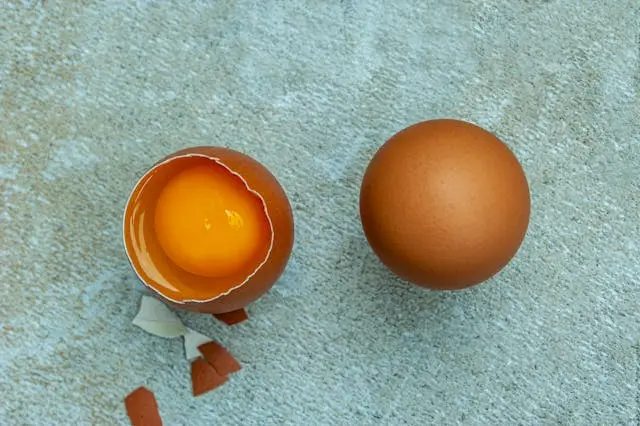
Eggs are among the best natural sources of tryptophan. They also provide complete protein, B vitamins, and nutrients essential for the proper functioning of the nervous system.
Egg yolks are particularly beneficial because of their high nutritional value. Easy to incorporate into your daily diet, eggs are a simple way to boost your tryptophan intake.
When combined with a diet rich in fiber and healthy fats, they help promote a better energy balance and nervous system function.
2. Fatty fish: a twofold benefit for the brain
Fatty fish such as salmon, sardines, and mackerel are rich in tryptophan, as well as inomega-3 .
This combination is particularly beneficial because omega-3s are important for brain function and for regulating inflammation.
Chronic inflammation can disrupt serotonin production. Regular consumption of fatty fish can therefore help support both the nervous system and emotional balance.
3. Legumes: An Excellent Plant-Based Option
The lentils, chickpeas, red beans, and fava beans naturally contain tryptophan. They are also a good source of fiber, which is beneficial for the gut microbiota.
The microbiota facilitates communication betweenthe gut and the brain. A balanced gut promotes an environment that is more conducive to the synthesis of neurotransmitters.
Legumes also have the advantage of having a moderate glycemic index, which helps prevent sharp fluctuations in energy levels throughout the day.
4. Oilseeds and seeds: small but highly nutritious foods
Pumpkin seeds, almonds, cashews, and sesame seeds are among the foods richest in tryptophan.
In addition to this benefit, they contain magnesium, a mineral that is essential for nervous system balance and stress management.
These foods can easily be incorporated into your daily diet: at breakfast, in a salad, or as a snack. Their high content of healthy fats also contributes to brain health.
5. Cocoa: A Partner in Well-Being
The raw is often cited as one of the foods that promote well-being. This reputation is no accident.
Cocoa naturally contains tryptophan, as well as magnesium and polyphenols—compounds that are beneficial for the gut microbiota and the nervous system.
Be mindful, however, of the quality of the chocolate you eat! Very sweet and highly processed chocolates lose much of their nutritional value. It’s better to choose dark chocolate that’ s high in cocoa.
The Importance of a Comprehensive Approach
Even though some foods are rich in tryptophan, serotonin production depends on many other factors. The chronic , lack of sleep, inflammation, or an imbalanced gut microbiota can disrupt these mechanisms.
The goal, therefore, is not simply to add a few "mood-boosting" foods, but to support the body's overall balance.
A varied diet rich in high-quality protein, fiber, and micronutrients remains the best strategy for naturally supporting the nervous system’s function.
Key Takeaways
Tryptophan is an essential amino acid involved in the production of serotonin and melatonin. It plays a major role in emotional balance, sleep, and nervous system function.
Eggs, fatty fish, legumes, nuts, and cocoa are among the best dietary sources of tryptophan.
But beyond any single nutrient, it is our overall lifestyle that influences our nervous system balance: sleep quality, gut microbiota health, stress management, and overall diet remain closely linked.