How can you incorporate Japanese layering into your skincare routine?
Who hasn't dreamed of having clear skin and a radiant complexion? Japanese layering is a skincare technique that encourages you to care for your skin naturally by following several successive steps.
Cleanse, moisturize, nourish… every step has its place in this ritual, which also allows you to take time for yourself and carefully choose what you put on your skin.
Layering puts the spotlight on cosmetics natural ingredients, plant-based oils, floral waters, and skincare products tailored to your skin’s needs. Discover the different steps to incorporate this beauty ritual into your daily routine.
Layering: A Japanese Tradition
Inspired by Japanese beauty rituals, layering is based on a simple principle: caring for your skin in several steps by applying skincare products one after another, each addressing a specific need. Beyond just a beauty routine, it’s also an invitation to slow down and turn this moment into a true skincare ritual.
In some ways, this approach aligns with the philosophy of “slow cosmetics”: focusing on simple routines, choosing products carefully, and avoiding the accumulation of skincare products that your skin doesn’t necessarily need.
Layering thus encourages us to get back to basics and pay closer attention to what we apply to our skin. As part of a natural beauty routine, you’ll want to prioritize natural cosmetics, plant-based oils, floral waters, and organic skincare products certified by recognized labels—all chosen first and foremost based on your skin’s needs.
Japanese layering traditionally consists of 7 steps.
Japanese layering consists of the following 7 steps
1. Makeup Removal with Vegetable Oil
Thanks to its oily texture, vegetable oil is an excellent choice for removing makeup. It helps dissolve makeup—including long-lasting and waterproof formulas—as well as oils and impurities that accumulate on the skin’s surface throughout the day.
For this step, choose a vegetable oil that’s suitable for your skin type. Jojoba oil, which is light and similar to the sebum naturally present on the skin’s surface, is suitable for many skin types. Those with dry skin may also find more nourishing oils, such as avocado oil or sweet almond oil, beneficial.
Tip: Pour a few drops of oil into the palm of your hand, then gently massage your face using small circular motions, focusing on areas with makeup. Next, remove any excess with a clean cloth or a washable cotton pad before moving on to the second step of the layering routine: cleansing.
2. Cleaning
Next, it's time to cleanse your face using a mild soap or cold-process soap. Gently pat your face dry with a towel.
3. Lotion
To finish cleansing while removing mineral deposits that can irritate your skin (causing redness and tightness) and to tighten pores, spray a mist of floral water onto your face. Depending on your needs, choose a floral water whose properties meet your skin’s specific requirements. Additionally, floral waters do not alter the skin’s pH.
Good to know: Rosemary hydrosol for acne-prone skin, lavender hydrosol for normal skin, Roman chamomile hydrosol for sensitive and reactive skin, and rose hydrosol for mature skin. Gently pat your skin dry.
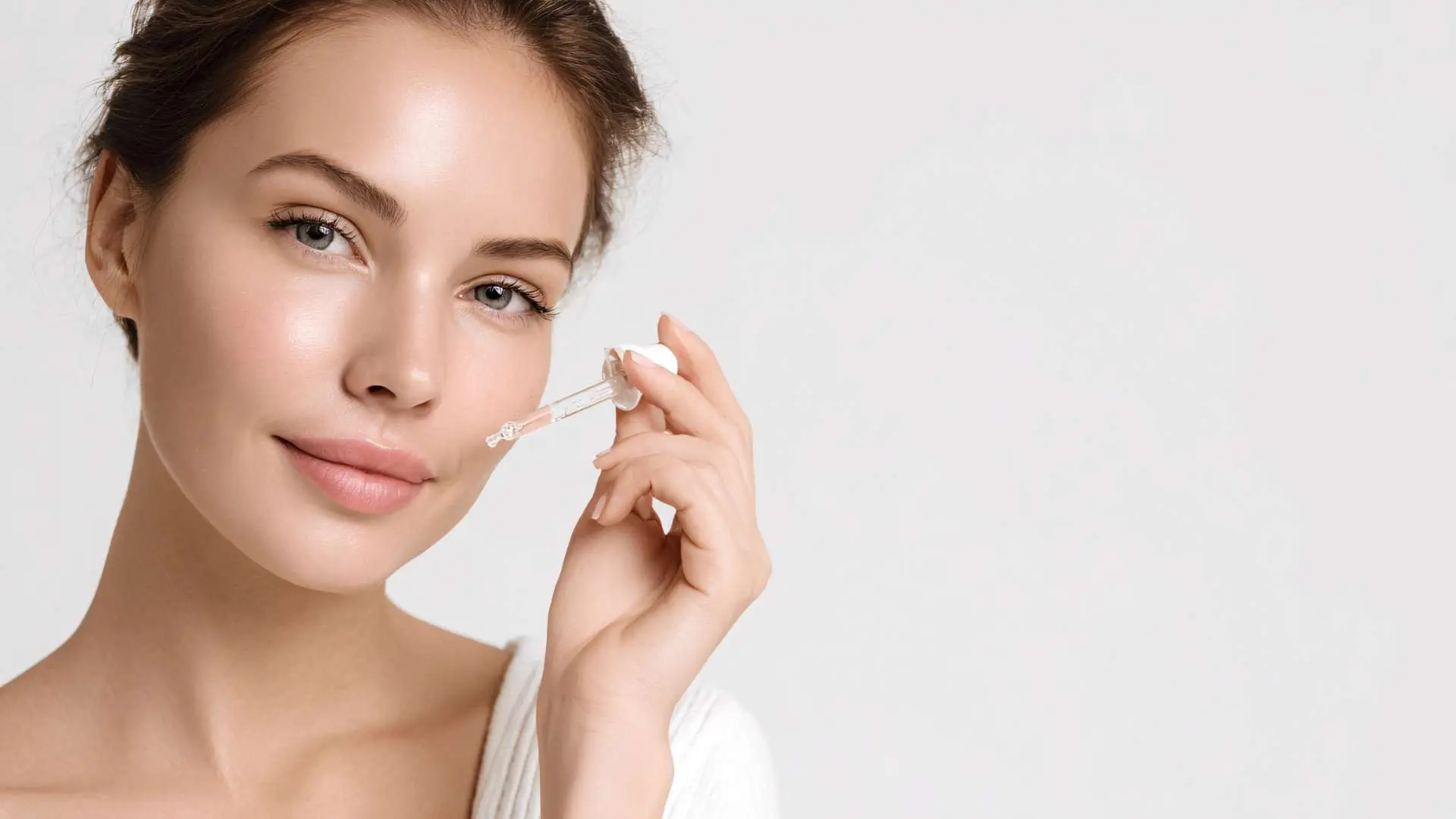
4. Applying the serum
A serum is a concentrate of active ingredients that quickly penetrates the skin. Depending on your skin type, the serum will have anti-aging, moisturizing, or mattifying effects…
Aloe vera gel is a staple of natural skincare. You can harvest it directly from the plant or buy it pre-packaged. Aloe vera gel moisturizes the skin, relieves tightness, promotes healing (acne, eczema), and has a firming effect.
In addition, you can also replace the aloe vera cream or gel with a plant-based oil such as jojoba oil, which helps regulate sebum production, or black cumin oil, which is suitable for acne-prone skin.
However, oils do not moisturize; they soften the skin while each one has its own specific properties (healing, antiseptic, etc.).
5. Eye Contour
The eye area deserves special care. In fact, the skin in this area is extremely thin. You shouldn’t overload it with moisturizer. Furthermore, cosmetics designed specifically for this area have a targeted action that helps reduce fine lines, dark circles, and puffiness under the eyes.
Tip: Add a few drops or a light spritz of cornflower water to your eye cream. This floral water is excellent for soothing tired, puffy eyes. Then apply the mixture with your fingertips, gently massaging to stimulate blood circulation.
6. Hydration
To finish your skincare routine, apply a day or night moisturizer, depending on your skin type.
7. The Lips
Apply lip balm or, more simply, a dab of shea butter or coconut oil to soften your lips and protect them from external irritants.
At first glance, this routine may seem time-consuming, but in reality, 5 minutes is all it takes. Don’t forget that the main idea is to take the time to care for yourself naturally while minimizing your impact on the environment by choosing raw and natural products. Your skin will thank you!