5 Must-Have Essential Oils for Fall
When temperatures start to drop, the days get shorter, and humidity sets in, those common seasonal ailments often make a comeback: a stuffy nose, a sore throat, a cough, fatigue, or even trouble getting a good night’s sleep.
To help you through this transition period, certain fall essential oils can be incorporated into a natural routine.
Ravintsara, eucalyptus, thyme, sweet orange, and tea tree: these essential oils are especially popular as fall sets in.
But each one has its own unique characteristics and deserves to be used properly.
1. Ravintsara Essential Oil: A Boon to the Body's Natural Defenses
Latin name: Cinnamomum camphora CT cineole
Ravintsara is probably one of the best-known essential oils as winter approaches. Its essential oil, rich in 1,8-cineole, is traditionally used to help during times when the respiratory system is under increased strain.
It can be helpful as a preventive measure when the first signs of a cold appear and to alleviate minor respiratory discomfort.
How to Use It
For diffusion, a few drops can be used in a suitable diffuser, following the manufacturer’s instructions. It can also be diluted in a vegetable oil for topical application to the chest or upper back in adults.
2. Eucalyptus radiata essential oil: to clear the airways
Latin name: Eucalyptus radiata
With its fresh, distinctive scent, eucalyptus radiata is an essential oil that is particularly popular in the fall. It is traditionally used to help relieve respiratory discomfort and promote easier breathing. It can be used, for example, when the nose is congested or during episodes of a cold.
How to Use It
Diffusion is a simple way to enjoy the scent. For topical application, it must be properly diluted in a vegetable oil. Direct inhalation over a bowl of hot water is not recommended, particularly because essential oils can irritate the mucous membranes and respiratory tract.
3. Tea Tree Essential Oil: A Fall Must-Have
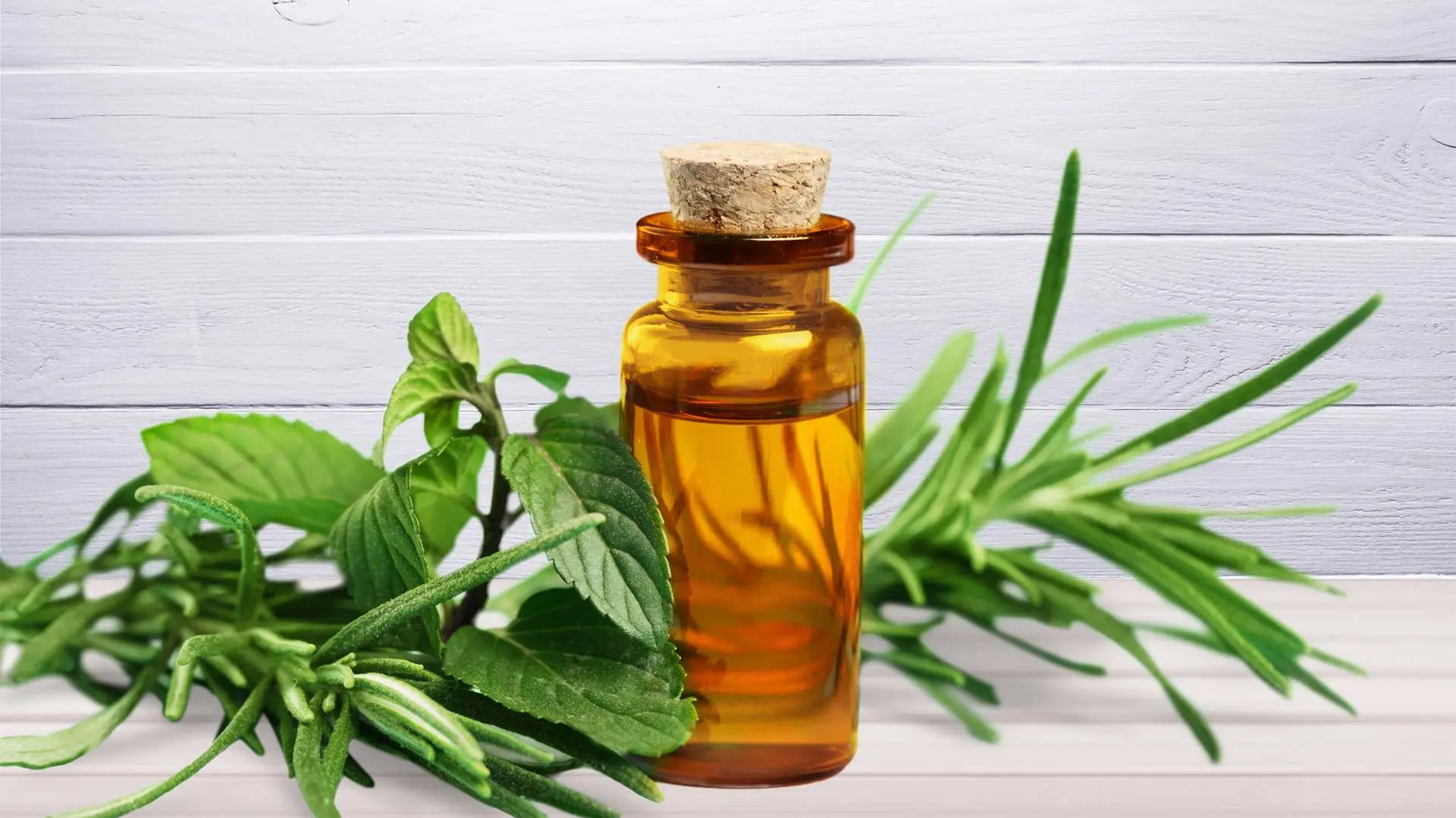
Latin name: Melaleuca alternifolia
The tea tree holds a special place in aromatherapy. Its essential oil is particularly known for its antimicrobial properties and can be used to help treat certain minor skin problems.
In the fall, it can also be beneficial when fatigue and temperature changes put a strain on the body.
How do I use it?
For the skin, a few drops can be diluted in a vegetable oil before application. It can also be diffused occasionally, always in a well-ventilated area and according to the diffuser’s instructions.
4. Linalool Thyme Essential Oil: Gentleness and Vitality
Latin name: Thymus vulgaris CT linalool
Not all thyme is the same. For household use, linalool thyme is generally considered milder than some other chemotypes of thyme.
Traditionally used for its anti-infective and stimulating properties, it can help during periods of fatigue or with minor seasonal discomforts.
How to Use It
For topical use, it must be diluted in a vegetable oil. Linalool thyme can also be incorporated into an aromatic blend, provided that the proper dosages and precautions for each essential oil are followed.
5. Sweet Orange Essential Oil: to create a warm, cozy atmosphere
Latin name: Citrus sinensis
Fall isn't just the season for minor respiratory ailments. It's also a time of shorter days, less sunlight, and sometimes low spirits.
With its sweet, fruity, and warm scent, sweet orange essential oil brings a comforting touch to the home. It is particularly popular when diffused to create a pleasant atmosphere and promote relaxation.
How to Use It
Diffusion is the simplest way to use it. A few drops in a diffuser are usually enough to fragrance a room. Be careful, however: like all citrus essential oils, sweet orange essential oil may pose a risk of photosensitization when applied to the skin before exposure to UV rays.
Essential Oils and Fall: Precautions You Should Know
Natural doesn't mean risk-free! Essential oils are highly concentrated and must be used with caution. Some are not recommended for pregnant or breastfeeding women, young children, or people with certain medical conditions.
Before use, check for any contraindications for the essential oil you have chosen and ensure it is properly diluted for topical application. If in doubt, consult a healthcare professional or a specialist trained in aromatherapy.
Essential oils are not a substitute for medical treatment and cannot, on their own, prevent seasonal infections. However, they can complement a healthy lifestyle, which includes getting enough sleep, eating a varied diet, exercising, staying hydrated, and regularly ventilating your home.
In the fall, aromatherapy can thus become a true seasonal ritual—as long as it remains simple, reasonable, and tailored to each individual.